
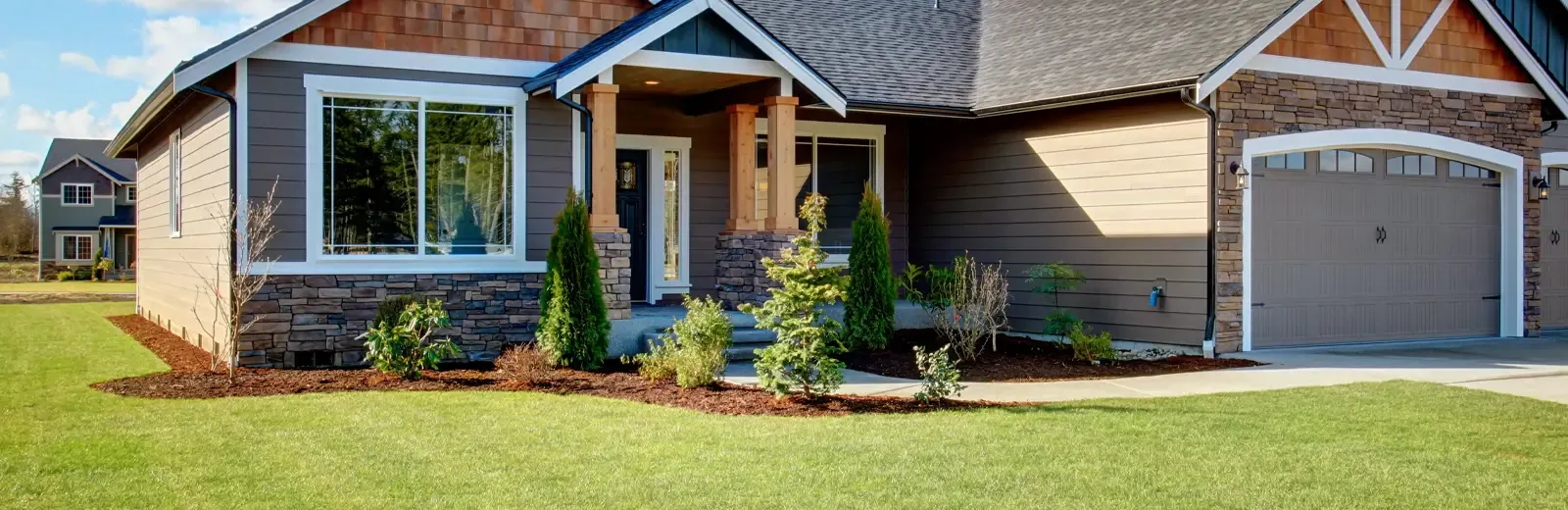
Stop Termites Before They Destroy Your Home
Protect Your Investment Today
Professional Termite Treatment in Tri State Area
Your home deserves advanced protection from a professional termite exterminator who can address issues before they become costly disasters. Modern termite solutions provide effective protection without disrupting your busy lifestyle or requiring extensive property modifications.
The Sentricon System offers scientifically-proven protection that has safeguarded nearly 5 million structures nationwide. This innovative system works by strategically placing bait stations that termites prefer over wood, eliminating the entire colony, including the queen.
Here's why Tri State Area homeowners choose Alford Pest Control for complete termite, rat, and mice control:
- Thorough property inspections by certified Sentricon Specialists
- Complete colony elimination, not just treating visible termites
- Minimally disruptive installation process with no drilling through floors or foundations
- Ongoing protection with regular monitoring and maintenance
- Environmentally responsible solution recognized by the EPA
- Professional expertise that extends to all pest problems including rats and mice
Contact us today for a professional inspection and learn how we can provide your home with continuous protection against termites and other pests for years to come.

A Warranty You Can Trust
When it comes to protecting your home from termites, we've got you covered. Our comprehensive warranty includes regular inspections, $1 million in repair coverage, and a 4-year retreatment guarantee. Unlike competitors who may leave you hanging, we stand behind our work with a robust protection plan that gives you real peace of mind.
Our warranty isn't just a piece of paper – it's a commitment to your home's long-term health. We'll be there to catch any new termite activity early, preventing costly damage before it starts. Plus, with our clear terms and no hidden fees, you'll always know exactly what you're getting. That's the kind of straightforward protection every homeowner deserves.
Frequently Asked Questions
Are your treatments safe for kids and pets?
Yes, of course! Your safety is our top priority. We use products and application methods that are designed to be effective and produce results, while also being safe for humans, pets, and the environment when used as directed. Our technicians are trained to apply treatments with care and responsibility.
Do I need to have my home inspected regularly for termites?
Yes, regular inspections are crucial, especially if you live in an area with a high risk of termite activity. Annual inspections can help identify potential problems early and prevent extensive damage. Termite problems are often hidden from view, so professional inspections are the best way to spot an issue before it becomes severe.
How can I prevent termites from entering my home?
Here are a few preventive measures:
- Keep wood away from your foundation—don’t store firewood, mulch, or wood debris close to your house.
- Seal cracks and gaps in your foundation and around windows, doors, and pipes.
- Repair leaks promptly to reduce moisture in areas like basements and crawl spaces.
- Consider a termite barrier or treatment for additional protection, especially if you live in an area prone to termites.
How do termites enter my home?
Termites enter your home through small cracks or gaps in your foundation, walls, or around pipes and electrical lines. They can also find their way in through wood-to-ground contact or overexposed, untreated areas like wooden decks, fences, or firewood piles.
How long does it take termites to cause damage?
Termites can begin to cause significant damage surprisingly quickly. The exact timeframe depends on factors like the size of the infestation and the type of termites, but in general:
- Subterranean termites (the most common type) can cause visible damage in as little as 3 to 6 months in a heavily infested area. These termites typically start in hidden areas and work their way into the wood of your home, eating it from the inside out.
- Drywood termites may take several years to cause noticeable damage, as they usually infest smaller areas of wood and are more difficult to detect early on.
In the early stages of an infestation, termites often cause little visible damage. The wood they eat from the inside may look normal on the outside, making it easy for homeowners to miss the signs. However, as they continue to feed, structural damage can escalate quickly, compromising the integrity of your home’s framework. It’s crucial to address any signs of termites early, as even a small infestation can lead to significant damage if left untreated. Regular inspections can help catch potential problems before they become costly.
What are the most common types of termites?
There are three primary types of termites that can infest homes and properties: Subterranean, Drywood, and Formosan termites. Each type behaves differently, has unique characteristics, and requires different approaches to control and treatment. Subterranean termites are the most destructive and widespread type of termites in the United States!
What happens if I don’t treat a termite infestation?
If left untreated, termites can cause significant structural damage that could lead to expensive repairs. Over time, termites can weaken beams, flooring, and even the foundation of your home. Early intervention is key to preventing costly damage.
How can I tell if it’s a carpenter ant or a termite?
- Body Shape: Termites have broad, straight bodies with no defined waist; carpenter ants have a narrow, pinched waist.
- Antennae: Termites have straight antennae; carpenter ants have bent (“elbowed”) antennae.
- Color: Termites are pale or light-colored; carpenter ants are dark brown, black, or reddish.
- Wood Damage: Termites eat wood, leaving rough, mud-lined tunnels and mud tubes; carpenter ants tunnel into wood, leaving smooth galleries and piles of sawdust.
- Wings: Termite wings are equal in length and longer than their bodies; carpenter ants have larger front wings and smaller hind wings.
Still unsure? Both Carpenter ants and Termites are dangerous wood-destroying insects!
Please call us as soon as possible to schedule an inspection.