
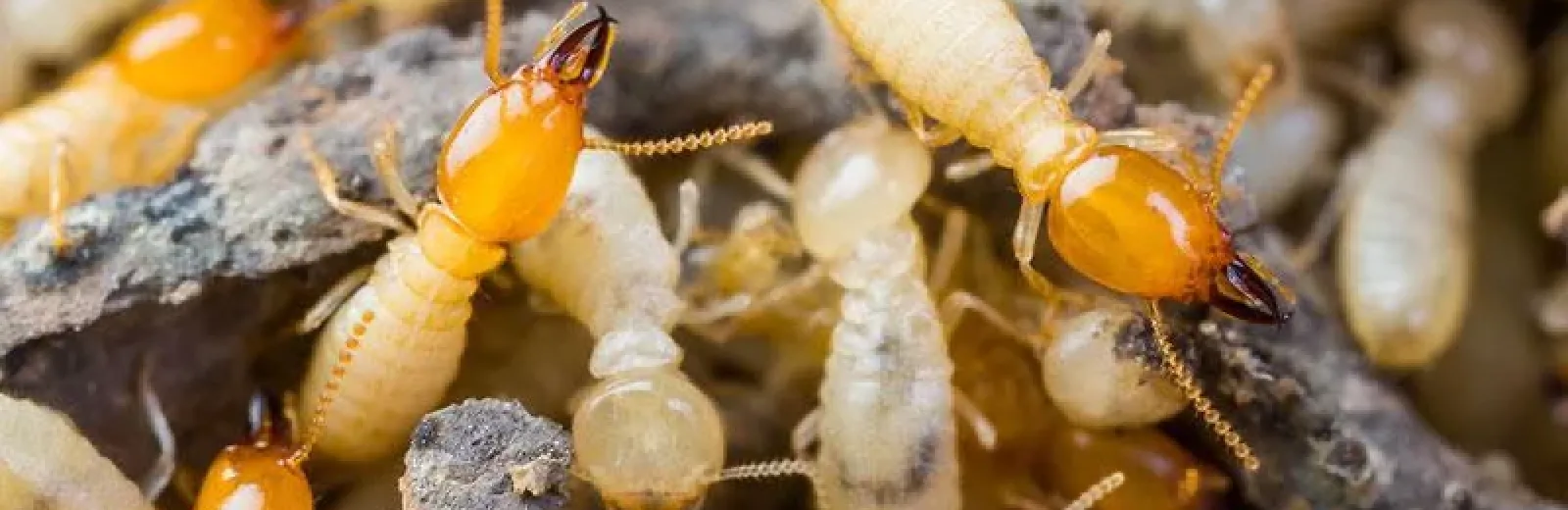
Termite Control in Charleston, WV
Subterranean termites quietly chew through Charleston homes long before owners ever spot the damage, and West Virginia sits in TIP Zone #2, meaning the risk of structural damage here is rated moderate to heavy. Alford Pest Control has spent 63 years protecting Kanawha Valley homes from these pests, and our Charleston termite control service is built around Sentricon® baiting, real-estate-grade WDIR inspections, and a 100% satisfaction guarantee.
If you're seeing mud tubes on the foundation, discarded wings on a windowsill, or hollow-sounding floor joists, call us. We treat termites quickly, document the damage, and back every job with a money-back promise!
Here's why homeowners across Charleston trust our termite exterminator services:
- Professional WDI inspections that catch problems before they become expensive repairs
- Certified Sentricon specialists install stations around your property with minimal disruption
- Total colony elimination—not just individual termites, but the entire colony, including the queen
- 100% satisfaction guarantee with free retreatment if termites return
- Same expert team that handles your rat and mice problems (without the drill, trench, or chemical liquid treatments)
- Continuous protection with regular monitoring by our trained technicians
Call us today for your termite inspection, because when it comes to protecting your biggest investment, you deserve a local company with 63 years of experience and straightforward, no-pressure service.

Termite Control Services in Charleston
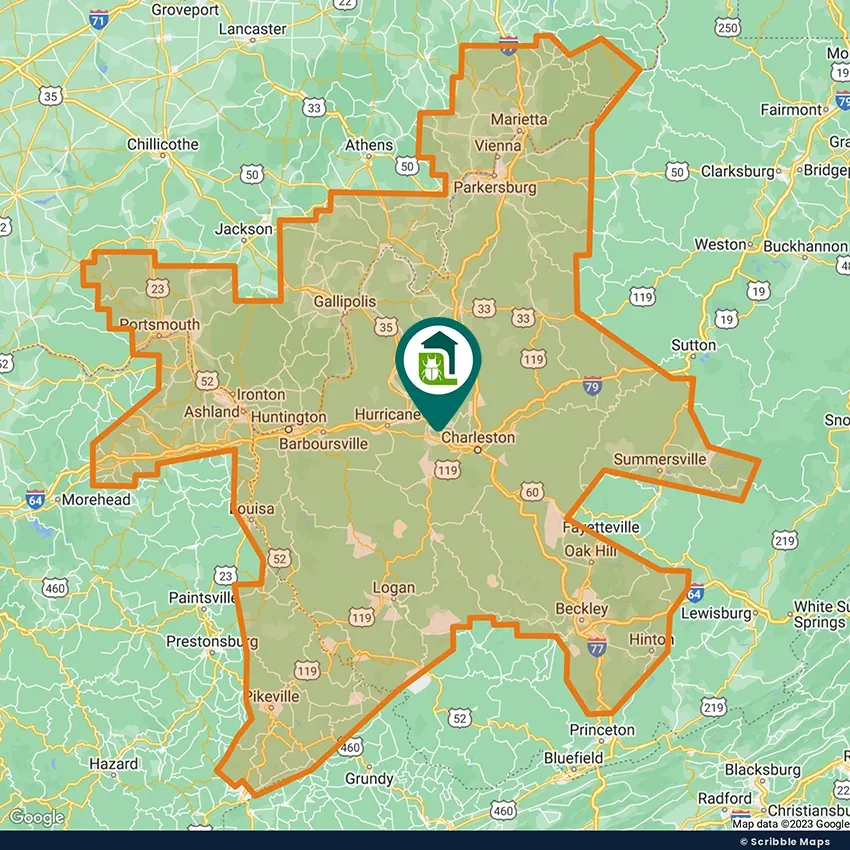
How Alford Pest Control Treats Termites in Charleston
When it comes to safeguarding your home from termites, you deserve a straightforward, reliable solution that works. Termites can cause thousands of dollars in structural damage before you even notice them. Our proven termite control process at Alford Pest Control offers homeowners in Greater Charleston the protection they need without any confusing contracts or hidden fees.
Every termite job starts with a free, on-site inspection by a state-licensed Charleston technician. We don't provide treatment quotes over the phone, and we don't offer a one-size-fits-all plan, because no two infestations are the same. Here's what the process looks like:
1. Free Termite Inspection
A trained inspector walks the full perimeter of your home, checks crawl spaces, sill plates, basements, garages, decks, and any wood-to-soil contact points. We document mud tubes, swarmer wings, frass, hollowed wood, and conducive conditions. You get a written report with photos, a property diagram showing where activity was found, and a clear treatment recommendation.
2. Sentricon® Always Active Bait Stations
Our primary termite treatment is the Sentricon® Always Active system, the same bait technology used to protect the White House. Stations are installed in the soil around your home's perimeter, spaced roughly every 10 to 20 feet. Foraging termites hit the bait, carry it back to the colony, and the colony collapses, including the queen. Unlike old-school liquid barriers, Sentricon does not require trenching, drilling through your slab, or hundreds of gallons of soil-applied chemical.
3. Liquid Termiticide When the Job Calls For It
For active infestations inside finished walls, around plumbing penetrations, or in homes where bait alone isn't the right fit, we apply a non-repellent liquid termiticide. The product is undetectable to termites, so they pass through it freely and carry it back to the colony.
4. Ongoing Monitoring and Annual Renewals
Sentricon stations stay in the ground year-round. Your technician returns annually (or more often, depending on activity) to inspect every station, refresh bait, and re-document the property. Most Charleston customers stay on a renewable annual termite plan.
5. Wood Destroying Insect Reports (WDIR / NPMA-33)
Buying or selling a home in Charleston, South Charleston, or anywhere in Kanawha County? We're members of the Kanawha Valley Board of Realtors, and we issue official NPMA-33 Wood Destroying Insect Reports for real estate closings, often within 24 to 48 hours of the request.
Unlike DIY treatments that rarely solve the problem, our professional service in Greater Charleston provides long-lasting protection without disrupting your property, family routines, or landscaping—no drilling, trenching, or chemical concerns to worry about.
Signs You May Have Termites in Your Charleston Home
Eastern subterranean termites stay hidden, but they leave evidence. If you see any of the following, call Alford Pest Control for a free inspection:
- Mud tubes: Pencil-thin brown tunnels running up your foundation, basement walls, or crawl space piers.
- Discarded wings: Small piles of equal-sized translucent wings on windowsills, in spider webs, or near light fixtures, usually after a March-to-May swarm.
- Hollow-sounding wood: Tap on baseboards, door frames, or floor joists. Active termite damage sounds papery or hollow.
- Buckling floors or sagging trim: Subterranean termites eat with the grain, weakening structural lumber.
- Sticking doors and windows: Moisture from termite activity warps frames.
- Frass and bubbling paint: Pin-sized holes, sawdust-like debris, or paint that looks water-damaged on a wall with no leak.
WDI Inspections in Charleston
Our thorough wood-destroying insect inspections protect your real estate transaction. Our certified technicians inspect properties for all major wood-destroying pests, including termites, powder post beetles, old house borers, carpenter ants, and carpenter bees. We work directly with real estate agents to ensure quick scheduling and same-day report delivery, helping keep your closing process on track. After the inspection, we provide a detailed WDI report documenting any evidence of activity or damage, with treatment recommendations if needed. With Alford Pest Control, you'll get the professional documentation lenders require without unnecessary delays!
Effective Sentricon Termite Treatment That Protects Your Home
The Sentricon System works by placing bait stations around your property that termites prefer 10 times more than wood. Once termites find these stations, they carry the bait back to their colony, eliminating the entire population—including the queen. After a thorough termite inspection, our trained exterminators install this scientifically-proven system with minimal disruption to your property.
Alford Pest Control uses Sentricon because it delivers superior results for our customers:
- Eliminates the entire termite colony, not just individual termites
- Requires no drilling, trenching, or damage to your landscaping
- Environmentally responsible (EPA award-winning formula)
- Provides ongoing protection with visible monitoring stations
- Works on both active infestations and as preventative treatment
Have concerns about termites damaging your home? Our certified technicians are ready to answer your questions about termite treatment options and provide the protection your property deserves.
Frequently Asked Questions
Do I need to have my home inspected regularly for termites?
Yes, regular inspections are crucial, especially if you live in an area with a high risk of termite activity. Annual inspections can help identify potential problems early and prevent extensive damage. Termite problems are often hidden from view, so professional inspections are the best way to spot an issue before it becomes severe.
How can I prevent termites from entering my home?
Here are a few preventive measures:
- Keep wood away from your foundation—don’t store firewood, mulch, or wood debris close to your house.
- Seal cracks and gaps in your foundation and around windows, doors, and pipes.
- Repair leaks promptly to reduce moisture in areas like basements and crawl spaces.
- Consider a termite barrier or treatment for additional protection, especially if you live in an area prone to termites.
How do termites enter my home?
Termites enter your home through small cracks or gaps in your foundation, walls, or around pipes and electrical lines. They can also find their way in through wood-to-ground contact or overexposed, untreated areas like wooden decks, fences, or firewood piles.
How long does it take termites to cause damage?
Termites can begin to cause significant damage surprisingly quickly. The exact timeframe depends on factors like the size of the infestation and the type of termites, but in general:
- Subterranean termites (the most common type) can cause visible damage in as little as 3 to 6 months in a heavily infested area. These termites typically start in hidden areas and work their way into the wood of your home, eating it from the inside out.
- Drywood termites may take several years to cause noticeable damage, as they usually infest smaller areas of wood and are more difficult to detect early on.
In the early stages of an infestation, termites often cause little visible damage. The wood they eat from the inside may look normal on the outside, making it easy for homeowners to miss the signs. However, as they continue to feed, structural damage can escalate quickly, compromising the integrity of your home’s framework. It’s crucial to address any signs of termites early, as even a small infestation can lead to significant damage if left untreated. Regular inspections can help catch potential problems before they become costly.
What are the most common types of termites?
There are three primary types of termites that can infest homes and properties: Subterranean, Drywood, and Formosan termites. Each type behaves differently, has unique characteristics, and requires different approaches to control and treatment. Subterranean termites are the most destructive and widespread type of termites in the United States!
What happens if I don’t treat a termite infestation?
If left untreated, termites can cause significant structural damage that could lead to expensive repairs. Over time, termites can weaken beams, flooring, and even the foundation of your home. Early intervention is key to preventing costly damage.
How can I tell if it’s a carpenter ant or a termite?
- Body Shape: Termites have broad, straight bodies with no defined waist; carpenter ants have a narrow, pinched waist.
- Antennae: Termites have straight antennae; carpenter ants have bent (“elbowed”) antennae.
- Color: Termites are pale or light-colored; carpenter ants are dark brown, black, or reddish.
- Wood Damage: Termites eat wood, leaving rough, mud-lined tunnels and mud tubes; carpenter ants tunnel into wood, leaving smooth galleries and piles of sawdust.
- Wings: Termite wings are equal in length and longer than their bodies; carpenter ants have larger front wings and smaller hind wings.
Still unsure? Both Carpenter ants and Termites are dangerous wood-destroying insects!
Please call us as soon as possible to schedule an inspection.